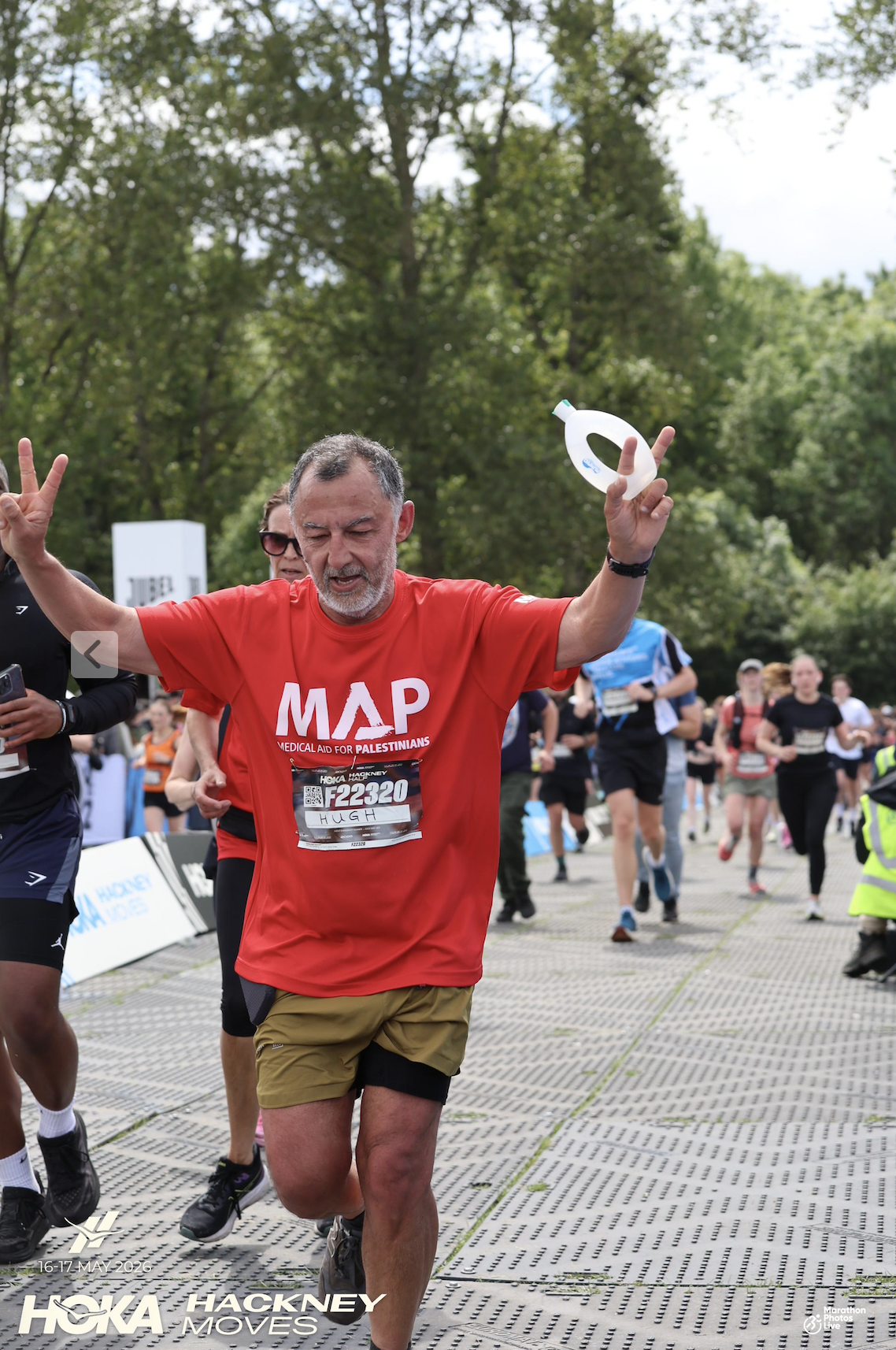
The discomfort isn't a warning. It's the practice working.
Hello fellow traveller,
Last week I shared two techniques for calming down.
The belly breath. Box breathing. Both designed to activate the parasympathetic nervous system — the rest and digest response. Both available anywhere, anytime, in under two minutes.
If you tried them, I hope you noticed something shift.
This week I want to go somewhere different.
Because breath isn't only a tool for calming down.
Used differently, it's one of the most powerful tools for waking up.
The technique most people haven't tried
Wim Hof — the Dutch extreme athlete known for swimming under ice and climbing Everest in shorts — developed a breathing method that works in the opposite direction to the techniques I shared last week.
Where belly breathing and box breathing calm the nervous system down, Wim Hof breathing activates it. It's upregulation — deliberately increasing energy, focus and physical readiness before something that demands your full capacity.
I use it before runs, before coaching sessions, before anything requiring full presence. Some of my clients use it before high-stakes presentations or days when they need to be completely switched on from the start.
How to do it
This is one round. Start with three to four rounds.
Step 1: Take 30 deep, fast breaths — in through the nose, out through the mouth. Don't force the exhale. Just release it, like letting air out of a balloon. The inhale is active, the exhale is passive.
Step 2: After the 30th breath, exhale fully and hold at the bottom. Don't breathe in yet. Simply hold. Try and sit with the discomfort that little but longer but don’t over extend. It’s not a competition.
Step 3: When you genuinely need to breathe, take one deep inhale and hold at the top for 15 seconds. Then release.
That's one round. Rest for a moment. Then repeat.
Build the holds gently across rounds — 15 seconds, 30 seconds, 45 seconds, one minute. If that feels comfortable after a few sessions, extend from there. The practice builds. Don't rush it.
One more thing worth knowing: the benefits of the holds deepen significantly as retention times extend. The 15-second starting point is the doorway. Where the practice really opens up is further down the path.
Safety note: never do Wim Hof breathing in water, while driving, or anywhere you could be harmed if you briefly lose consciousness. Always sit or lie down in a safe space.
What it actually does
Let me give you a specific example.
A few years ago I was swimming regularly at my local Lido. Still learning — my 1km time was around 32 minutes.
One morning I had fifteen minutes before my swim slot. I lay down on the grass outside and did four rounds of Wim Hof breathing.
Then I went in and swam. Didn't change a single thing about my technique or effort.
My 1km time came in at 27 minutes.
I hadn't even noticed until I checked. I hadn't pushed harder. I hadn't tried to go faster. I just breathed — properly, deliberately — and then swam.
Five minutes off a 1km time. From lying on the grass.
That's not a warm-up. That's a state change.
I’m still at 32 minutes because I don’t care about time but if I need to speed up all I have to do is lie on the grass and breathe!
Why the discomfort is the point
The discomfort you feel during the holds — the tingling, the slight pressure, the urge to breathe sooner than you'd like — is not a warning signal.
It's the CO2 rising.
We tend to think of oxygen as the thing we're after. But CO2 is equally important — it's what helps the body absorb and utilise oxygen efficiently. Without sufficient CO2, oxygen stays bound to haemoglobin and can't be released to the cells that need it.
So the discomfort during the hold isn't your body struggling. It's your body learning.
Learning to stay calm under physiological pressure. Learning that discomfort doesn't always mean danger.
I call it building your stress muscle.
The ability to remain present, composed and functional when things feel uncomfortable — physiologically, emotionally, professionally — is a skill. Built through repetition. The breath hold is just one training ground.
The bigger picture
Last week I said: you are not at the mercy of your state.
This week I want to add something to that.
You can also choose which state you want to be in.
Calm and regulated? Belly breath. Box breathing.
Energised and activated? Wim Hof.
These aren't opposites. They're a toolkit. The more fluent you become with both ends of the spectrum, the more agency you have over how you show up — in the boardroom, on the mountain, in the moments that matter most.
The reset isn't one thing. It's the ability to move deliberately between states.
That's what we're building in this series.
Next week I'm moving away from breath entirely — to something your body already knows how to do, that most of us have forgotten. It's about what animals do instinctively after stress that humans have been taught to suppress.
Worth reading if you're curious.
Try one round of Wim Hof breathing before your next run, workout, or high-stakes moment. Notice what shifts.
Then hit reply and tell me what you found. I read everything.
Best, Hugh
You've lived many versions of yourself in this lifetime. And there are many more still to come.
If this resonates and you'd like to explore further, you can book a discovery call here.
P.S. The holds I do now would have seemed impossible when I started. Three minutes of stillness after a full exhale. Complete quiet in the body. It came gradually, through repetition, without forcing. That's how all of this works. Start where you are. Build from there.